
October 14, 2016 | Plastic Surgery, Tummy Tuck
6 minute read
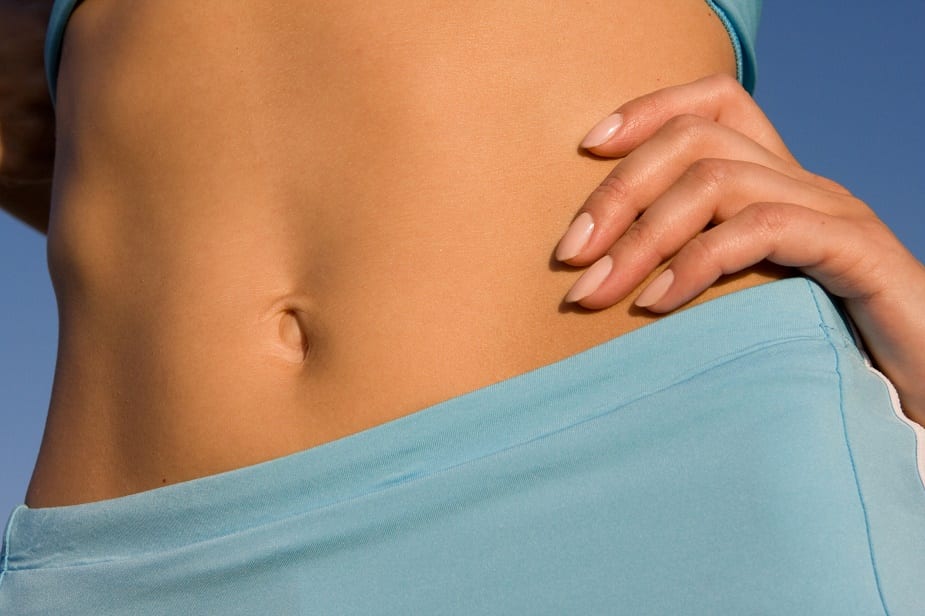
Uncovering the Truth Behind the Tummy Tuck Transformation
Tummy tuck surgery, or abdominoplasty, is one of the most transformative procedures in plastic surgery. It offers more than just a tighter stomach—it restores core strength, removes excess skin, and redefines the entire abdominal profile. But there’s one detail that often sparks curiosity and confusion among patients: what happens to the belly button during a tummy tuck?
It’s easy to see dramatic before-and-after photos and admire the newly contoured midsection, but the role of the navel—how it’s preserved, repositioned, or reshaped—is often overlooked. At Aesthetic Plastic Surgery in Eugene, Dr. Lee B. Daniel ensures that every detail, including your belly button, is handled with precision and artistry for the most natural results.
Let’s explore exactly what happens to your belly button during a tummy tuck and why it plays such a central role in achieving a smooth, youthful-looking abdomen.
Skin Removal and the Belly Button’s Hidden Stalk
During a full tummy tuck, your surgeon removes excess skin and fat from both above and below the belly button. However, while the skin surrounding the navel changes, your original belly button remains intact.
That’s because every navel is connected to an internal structure—a stalk, much like a small cord. When a tummy tuck is performed, the belly button is detached from the overlying skin via an incision around it, but it stays attached to its stalk deep within the abdominal wall.
Once the surgeon removes loose skin and tightens the abdominal muscles (often repairing diastasis recti, or separation of the abdominal muscles), the remaining skin is pulled downward and redraped. This tighter skin no longer aligns with the belly button’s original opening. So, the surgeon creates a new hole in the skin and brings the belly button through, securing it in place for a natural appearance.
Why the Belly Button Matters
You might be surprised to learn how much aesthetic importance the belly button holds. As a central point of the abdomen, it:
-
Affects the symmetry of the entire midsection
-
Creates a focal point that draws attention to your results
-
Signals youthfulness and tone, especially in swimwear or tight-fitting clothing
Dr. Daniel uses refined surgical techniques to ensure the belly button looks as natural and proportional as possible, avoiding the “surgical” or artificial look that can sometimes result from poorly performed tummy tucks.
Creating a Natural-Looking Navel
A great tummy tuck doesn’t just remove sagging skin—it reshapes the entire abdominal profile. That includes carefully designing the new belly button opening in a location that aligns with the patient’s torso and proportions. Here’s how Dr. Daniel ensures your navel looks natural and aesthetically pleasing:
-
Precise incision placement: Hidden inside the natural contours of the belly button
-
Tension-free skin closure: Prevents puckering or scarring around the navel
-
Strategic positioning: Aligns with the rest of the body to preserve natural anatomy
Patients often comment that their belly button looks even better after surgery than before—it’s still theirs, just placed in a tighter, smoother, and more youthful abdomen.
The Mini Tummy Tuck: An Exception to the Rule
Not everyone needs a full abdominoplasty. For those with limited excess skin below the belly button, a mini tummy tuck may be a better fit. This variation requires a smaller incision and does not involve the belly button at all.
Because only the lower abdomen is addressed, the navel remains untouched, making the procedure slightly less invasive and requiring a shorter recovery period. However, a mini tuck won’t correct loose skin or muscle laxity above the navel.
During your consultation with Dr. Lee B. Daniel, he’ll assess whether a full or mini tummy tuck is more appropriate for your goals, anatomy, and desired outcome.
Repairing the Core: Muscle Tightening and Diastasis Recti
Another key aspect of many tummy tucks is muscle repair. For women who’ve had children or anyone with weakened abdominal muscles, the central wall of muscles may have become stretched or separated—a condition called diastasis recti.
In a full tummy tuck, Dr. Daniel sutures the muscles back together to restore firmness and core strength. This not only enhances posture and physical function but also narrows the waist and improves the overall appearance of the abdomen. The belly button plays a central role during this stage, as muscle work happens behind it while it remains connected to its stalk.
The Healing Process: Belly Button Recovery
After your tummy tuck, the belly button will go through a healing period just like the rest of your incision sites. Here’s what to expect during recovery:
-
Redness and swelling: These are normal and subside gradually
-
Scabbing or crusting: A part of the natural healing process
-
Dressing or small splint: May be applied to protect the navel
-
Avoiding moisture: Keeping the area dry prevents infection
Patients are typically advised to avoid strenuous activity, heavy lifting, or stretching the abdominal area for several weeks. Dr. Daniel’s team will provide personalized aftercare instructions to support healing and ensure your belly button heals beautifully.
Frequently Asked Questions
Will I have a scar around my belly button?
Yes, but it is typically minimal and well-hidden inside the belly button’s natural folds.
Can I request a different belly button shape?
While your belly button remains the same, the opening around it can be shaped for improved aesthetics. Dr. Daniel uses custom approaches to achieve the best outcome for each patient.
What if I have an umbilical hernia?
Umbilical hernia repair can often be performed during your tummy tuck procedure to correct any bulges or issues at the belly button site.
Is a new belly button created?
No—your existing belly button is preserved, just repositioned.
Why Choose Dr. Lee B. Daniel for Your Tummy Tuck
Dr. Lee B. Daniel is a board-certified plastic surgeon in Eugene with over 30 years of experience in body contouring. His tummy tuck patients consistently praise not only their new abdominal shape but also the natural appearance of their belly button, a small yet crucial detail.
At Aesthetic Plastic Surgery, you’ll receive:
-
Comprehensive consultations
-
Customized treatment plans
-
Attention to surgical detail
-
Long-lasting results that look and feel natural
The Centerpiece of a Beautiful Midsection
While the belly button may seem like a small part of your anatomy, it plays a big role in how youthful and natural your results appear after a tummy tuck. Thanks to expert techniques and artistic precision, Dr. Daniel ensures your navel remains an aesthetically pleasing focal point—while the surrounding abdominal area is firm, toned, and beautifully contoured.
If you’re ready to explore how a tummy tuck can enhance your confidence and body contours, schedule a consultation with Dr. Lee B. Daniel at Aesthetic Plastic Surgery in Eugene today. A flatter stomach and beautifully preserved belly button could be just around the corner.