
July 23, 2026 | Breast Reduction
4 minute read
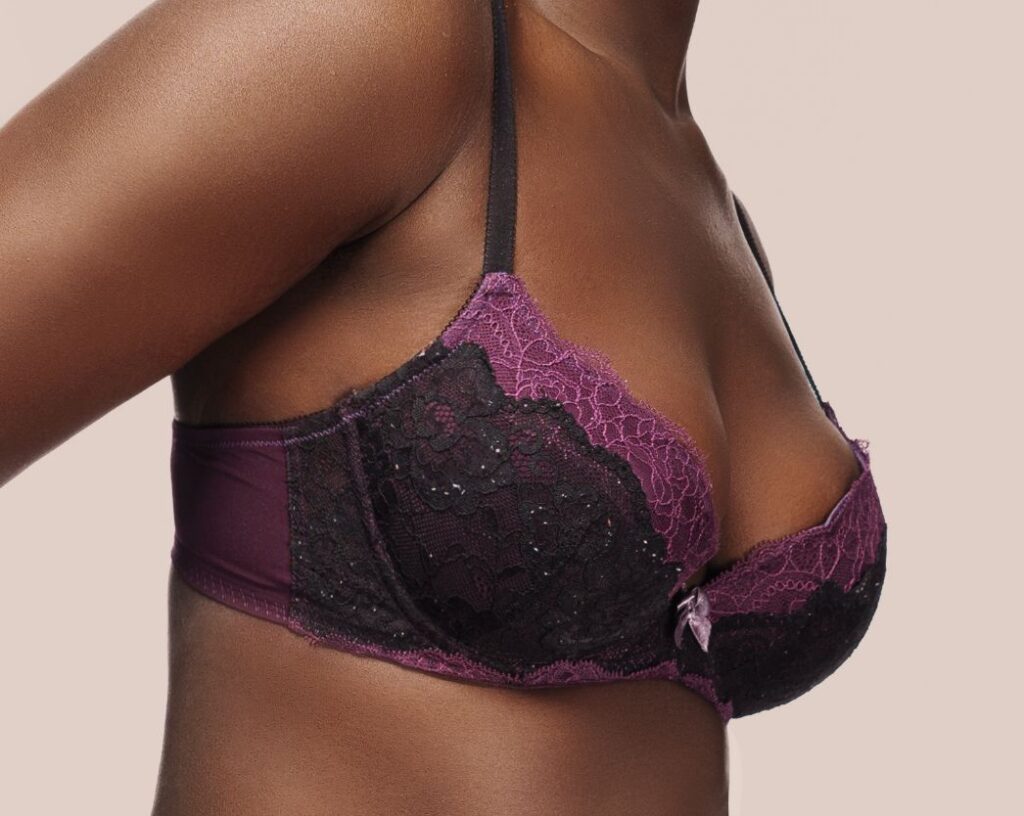
For many women, breast reduction is not really about appearance. It is about relief: from the neck and back pain, the shoulder grooving, the limits on activity, and the daily discomfort that come with breasts that are larger than their frame can comfortably carry. If you have wondered whether the procedure is right for you, here is an honest look at who it helps, what recovery involves, and how insurance can factor in.
Signs you may be a candidate
You may be a good candidate for breast reduction if you experience one or more of the following:
- Chronic neck, back, or shoulder pain connected to the weight of your breasts.
- Shoulder grooving or indentations from bra straps.
- Skin irritation, chafing, or rashes beneath the breast fold.
- Difficulty exercising, or trouble finding clothing and bras that fit.
- Self-consciousness or discomfort related to breast size.
Beyond symptoms, the best candidates are in good general health, do not smoke (or are willing to stop before and after surgery), and have realistic expectations about what the procedure can achieve.
Is breast reduction covered by insurance?
This is one of the most important differences between breast reduction and purely cosmetic surgery. Because large breasts can cause documented physical symptoms, reduction is sometimes considered medically necessary and may be partially covered by insurance. Coverage usually depends on factors such as documented symptoms, a history of conservative treatment, and the amount of tissue to be removed. During a consultation at Aesthetic Plastic Surgery in Eugene, the team can help you understand what your plan may require and how to pursue pre-authorization.
What the procedure involves
Breast reduction is performed by board-certified surgeon Dr. Lee B. Daniel and typically takes about two-and-a-half to three hours under a light general anesthesia. Excess fat, glandular tissue, and skin are removed, the breasts are reshaped and lifted, and the areola can be reduced for proportion. Because reduction and lifting go hand in hand, Dr. Daniel often incorporates the key elements of a breast lift (mastopexy) for natural-looking results.
Recovery: what to expect
Recovery takes roughly two weeks, though it varies by individual. You will wear a special surgical bra and have medication to manage discomfort. Most women return to work within about a week, depending on the physical demands of their job, and should avoid heavy lifting and strenuous exercise for two to four weeks. Some aching, swelling, and changes in skin sensation are normal early on. Incision lines fade over the following months and are usually well concealed within about six months.
The results
Breast reduction is about more than a smaller size. The goal is a shape and proportion that better suits your frame. Most women report not only physical relief from pain and irritation but also greater comfort during activity, more clothing freedom, and a meaningful boost in confidence.
Frequently asked questions
Sometimes. When symptoms are documented and criteria are met, it may be partially covered. A consultation is the best way to learn your plan’s requirements.
About two weeks for the initial recovery, with most women back to work within a week and exercise after two to four weeks.
Some scarring is unavoidable, but incisions are placed strategically and typically fade significantly within about six months.
Reduction inherently reshapes and lifts the breasts; Dr. Daniel often combines the key elements of a lift for the most natural result.
It can be possible but is not guaranteed, since the procedure affects breast tissue. Discuss your goals with Dr. Daniel during your consultation.
Talk it through in Eugene
The clearest way to know if breast reduction is right for you is a conversation with a board-certified surgeon. Learn more about breast reduction in Eugene or explore the full range of breast surgery options.
This article is for educational purposes only and is not medical advice or a guarantee of results. Individual results vary. Please consult Dr. Lee B. Daniel for guidance specific to you.